Identify Relevant Container Offers
The container marketplace enables professional users to search inventory and narrow results by container type, size, condition, country, city, port and price range.
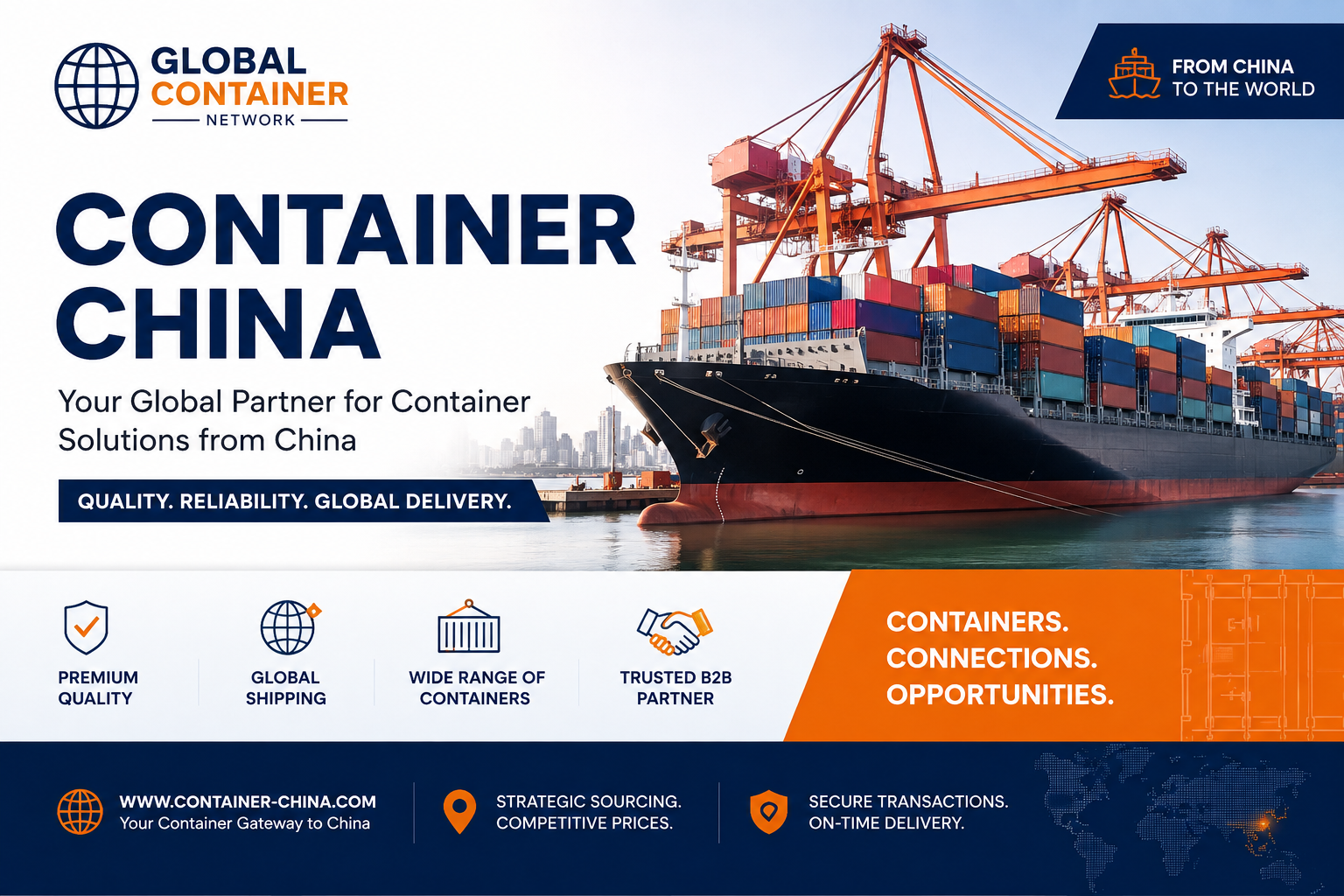
A professional gateway for companies sourcing, selling, leasing and managing shipping containers connected with China. Container-China.com links international demand with the marketplace, RFQ, manufacturing, depot, freight, port and enterprise infrastructure of Global Container Network.
Container-China.com is designed for professional buyers, suppliers, manufacturers, container traders, leasing companies, freight forwarders, depot operators and industrial procurement teams. It creates a clear connection between container business in China and the international sourcing workflows provided by Global Container Network, including marketplace searches, structured purchasing requirements, specialist service modules and enterprise inventory integration.
International container procurement is not simply a product search. A commercially viable decision requires alignment between equipment specifications, condition, quantity, location, supplier capability, depot procedures, transport planning, documentation and contractual requirements.
Container-China.com provides a dedicated entry point for companies researching shipping containers in China and related international services. Its purpose is to help professional users move from broad search phrases such as “shipping containers China,” “container suppliers China,” “container manufacturers in China” or “container leasing China” toward a structured business process.
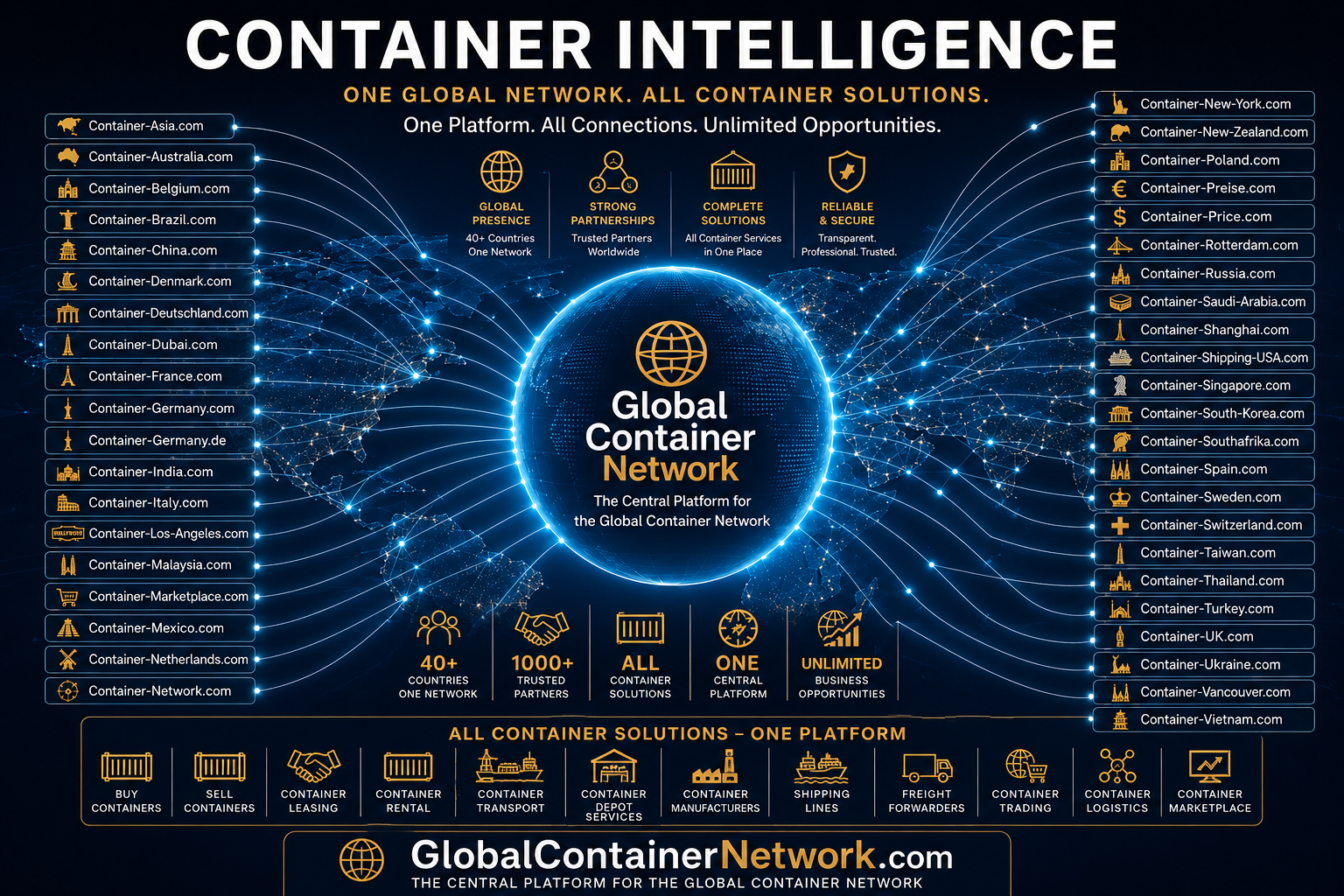
Through Global Container Network, users can access an international B2B platform focused on buying, selling, renting and leasing shipping containers. The platform combines marketplace inventory, an RFQ demand board and additional network modules serving the wider container economy.
The container marketplace enables professional users to search inventory and narrow results by container type, size, condition, country, city, port and price range.
The RFQ demand board allows buyers to communicate structured container demand so suppliers can submit quotations against a defined specification.
Container-China.com places China-related sourcing within an international network and links equipment supply with logistics, depot, port and commercial transaction workflows.
China-related sourcing may involve available stock, new production, specialist fabrication, replacement components or customized equipment. These are distinct procurement processes and should not be treated as interchangeable.
The manufacturers module is structured for container factories, original equipment manufacturers, specialist builders, parts suppliers and businesses searching for production partners. This gives buyers a dedicated pathway when the requirement involves factory sourcing rather than immediate marketplace inventory.
New production projects should define technical standards, material requirements, coatings, flooring, fittings, doors, refrigeration equipment where applicable, certification, inspection arrangements, branding, quantity, production schedule and export location. Buyers should conduct technical, legal and financial due diligence before awarding orders or making payments.
Container-China.com does not present every supplier or listing as automatically verified or suitable for every application. Platform visibility supports discovery and communication, but it does not replace counterparty verification, factory audits, independent inspection, contract review or secure payment procedures.
Purchasing is not always the most efficient commercial model. Temporary projects, seasonal demand, fleet repositioning, construction programs, storage requirements and changing trade volumes may justify leasing or rental.
The leasing and rental area groups relevant offers for businesses evaluating short-term or longer-term access to container equipment. A proper evaluation should address the lease period, pickup and return location, rental rate, handling charges, maintenance responsibility, damage provisions, interchange conditions and potential repositioning obligations.
For procurement teams, the lowest headline monthly rate may not be the lowest total-cost option. Equipment condition, depot distance, transport availability, repair exposure and return requirements can significantly alter the economics of the transaction.
Professional container procurement extends beyond identifying suitable equipment. Successful international projects require coordinated transport planning, depot infrastructure, inspection services and efficient communication between commercial partners.
Container-China.com connects container sourcing with the operational requirements of international supply chains. This approach enables procurement departments, logistics providers and container suppliers to evaluate equipment, transportation and supporting services as one connected commercial process.
Every shipping container becomes part of a wider logistics chain. Equipment location, depot handling, release procedures, inland transportation and port accessibility can directly influence project efficiency, delivery performance and total commercial cost.
International container movements require coordinated road, rail, sea and intermodal transport solutions connecting equipment locations with ports, depots and final destinations.
Integrating transport planning into container procurement helps companies reduce unnecessary movements, improve scheduling and strengthen overall supply chain efficiency.
Container depots provide essential services including storage, inspection, maintenance, repair, cleaning and operational handling before equipment enters or leaves the logistics chain.
Depot location, service capability and equipment availability can materially affect transportation costs, delivery schedules and operational flexibility.
Efficient access to container ports and terminals supports international trade, equipment positioning, export preparation, import handling and onward distribution.
Professional planning considers terminal access, regional infrastructure, nearby depot capacity and onward transportation before equipment is deployed.
A competitively priced shipping container does not automatically represent the strongest commercial solution. Professional procurement evaluates equipment together with location, transport capacity, depot availability, inspection requirements, handling procedures and delivery planning. Considering these factors together supports better purchasing decisions and reduces operational risk.
International buyers require different container specifications depending on cargo, transportation method, storage requirements and operational application. Selecting appropriate equipment improves efficiency and helps control lifecycle costs.
Procurement decisions should consider operational suitability rather than price alone. Internal dimensions, payload capacity, structural integrity, flooring condition, door functionality, equipment history and applicable inspection or certification requirements can influence long-term performance.
Professional buyers should compare technical specifications with project requirements before negotiating commercial terms, helping ensure that selected shipping containers support their intended industrial, logistics, storage or transportation application.
Container-China.com addresses organizations operating throughout the international container economy, connecting container supply, procurement, leasing and logistics within a professional B2B environment.
Present production capabilities, container specifications and manufacturing expertise to international procurement organizations seeking equipment connected with China.
Support flexible equipment access and fleet requirements through professional container leasing and rental solutions for international operations.
Evaluate container suppliers according to equipment suitability, availability, logistics capability, documentation and total commercial value.
Present available container inventory to professional buyers searching for equipment across international markets and logistics locations.
Coordinate equipment sourcing with transportation requirements to support efficient international container movements and supply chain planning.
Provide storage, inspection, repair, cleaning, handling and related services supporting reliable container operations and equipment availability.
Search available shipping containers by equipment type, size, condition and location through the Global Container Marketplace.
Publish structured purchasing requirements through the RFQ System and receive qualified quotations from international suppliers.
Manufacturers, suppliers and container traders can publish inventory through the Global Listing Platform, increasing visibility among international B2B buyers.
General business directories often provide limited technical information and little industry context. The international container business requires a dedicated environment where procurement professionals, suppliers and logistics specialists can communicate using structured commercial information.
Container-China.com has been developed specifically for the global container industry. Instead of addressing every possible market sector, the platform concentrates on shipping containers, container-related logistics and international B2B cooperation. This focused approach helps buyers identify relevant information more efficiently while enabling suppliers to present their capabilities to a targeted professional audience.
Present products and services within a platform focused exclusively on the international container industry, helping improve visibility among procurement teams, logistics companies and commercial buyers.
Centralized business information allows organizations to compare opportunities more efficiently while reducing the time required to identify suitable commercial partners.
Successful international container business is based on reliable partnerships. Structured communication supports long-term cooperation beyond individual transactions.
Professional procurement departments evaluate significantly more than the advertised purchase price. A structured assessment helps reduce commercial risk while improving operational performance throughout the equipment lifecycle.
Considering these factors together provides a more accurate assessment than evaluating equipment price alone. This approach supports better purchasing decisions while reducing unexpected operational costs during transportation and deployment.
Container-China.com is intended to support sustainable international business relationships by combining professional information, structured procurement processes and industry-specific communication. The objective is not simply to publish container listings but to provide an environment where companies involved in manufacturing, trading, leasing, logistics and supply chain management can connect more effectively.
By focusing exclusively on the container industry, the platform creates a clear topical structure that is valuable for procurement professionals, logistics specialists and AI-powered search systems seeking authoritative information about container business in China.
Whether your organization is sourcing shipping containers, offering available inventory or developing international logistics partnerships, Container-China.com and Global Container Network provide a focused B2B environment designed for professional collaboration across the global container industry.
Business Notice: Companies should independently evaluate suppliers, commercial terms, technical specifications, documentation and regulatory requirements before entering into contractual agreements. The platform facilitates professional networking and business communication but does not replace technical, financial or legal due diligence.