20ft Shipping Containers
Standard 20-foot dry containers are widely used for international freight, industrial logistics, storage and project applications.

GLOBAL B2B CONTAINER MARKETPLACE
Find shipping containers for sale across major international container markets. Global Container Network connects professional buyers with container traders, suppliers, depots, leasing companies and other industry participants through one international B2B platform.
Search container availability by location, equipment type and condition — including 20ft, 40ft and High Cube dry containers, Reefers, Open Tops, Flat Racks, Tank Containers and other specialized equipment.
Shipping containers can be purchased through container traders, manufacturers, leasing companies, depots and specialized B2B marketplaces. The commercially relevant offer depends not only on the container price, but also on equipment type, condition, available quantity, depot location, inspection status and the cost of transporting the container to its final destination.
Global Container Network provides an international digital environment for discovering container inventory and connecting professional demand with suppliers across the global container industry.
Selecting the correct equipment starts with the intended cargo, transport requirements and operational use. Common ISO container categories include:
Standard 20-foot dry containers are widely used for international freight, industrial logistics, storage and project applications.
40-foot containers provide substantially more internal capacity and are widely used across international supply chains.
High Cube containers provide additional internal height and are frequently selected for high-volume cargo and industrial use.
Refrigerated containers are designed for temperature-controlled cargo such as food, pharmaceuticals and other sensitive goods.
Open Top equipment is used for cargo that requires loading from above or exceeds conventional container height.
Flat Racks support oversized, heavy and project cargo that cannot be accommodated within standard dry container dimensions.
ISO Tank Containers are specialized intermodal units used for transporting suitable liquid, chemical and bulk products.
Additional equipment may include Offshore, modified and application-specific container solutions depending on location and supplier availability.
Explore available container types and current marketplace listings →
Container condition has a significant influence on price, availability and intended use. Buyers should compare equipment on actual condition and documentation rather than age alone.
One-trip containers have normally completed only their initial transport cycle from the manufacturing region. They are commonly selected when appearance, condition and remaining service life are important procurement factors.
Cargo Worthy equipment may be suitable for continued freight use, subject to the required technical condition, documentation and applicable inspection requirements.
Used shipping containers can provide an economical solution for storage, industrial projects and other applications where the required condition is clearly defined before purchase.
Container markets are global, but availability is highly local. Purchase economics can change significantly according to depot location, regional equipment balance, transport requirements and local demand.
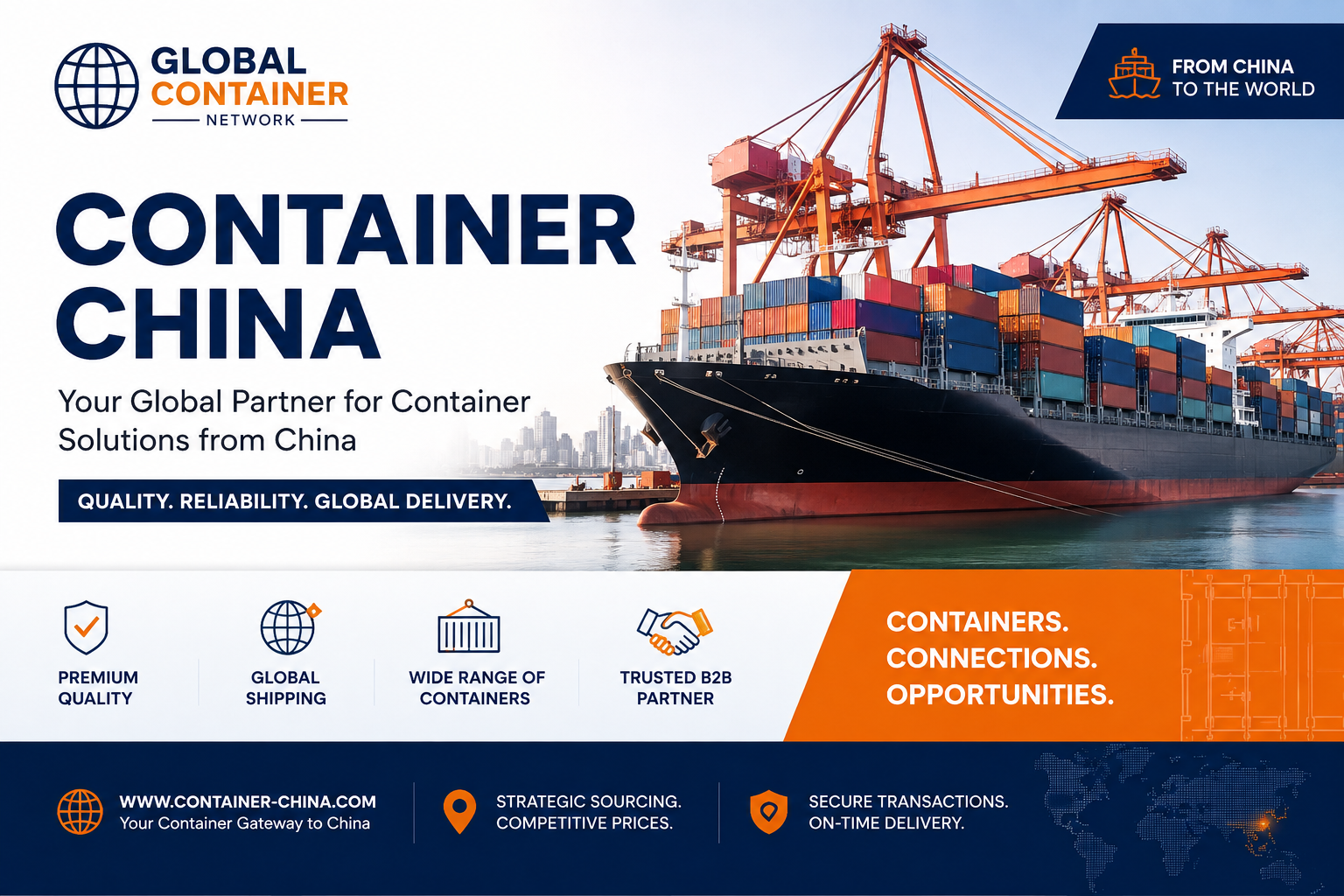
Explore container supply across one of the world's most important manufacturing and export markets, including Shanghai, Ningbo, Shenzhen and Qingdao.
Explore China container opportunities →Discover container availability across major US logistics markets including Los Angeles, Long Beach, Houston and the New York/New Jersey region.
Explore US container opportunities →Search container opportunities across major European logistics markets including Rotterdam, Antwerp, Hamburg and other strategic inland and maritime hubs.
Explore European container opportunities →Connect container demand and supply across Asia, Europe, North America and other international logistics regions.
Browse the global marketplace →There is no single global price for a shipping container. Container prices vary according to size, type, age, condition, location, available quantity, market demand and the cost of repositioning equipment.
A 20ft used dry container in Rotterdam, for example, represents a different local market from a new 40ft High Cube unit in Shanghai or Los Angeles. Professional procurement should therefore compare the complete landed commercial position rather than the nominal purchase price alone.
For broader industry context, procurement professionals can also review the Global Container Network market analysis.
Explore Global Container Market Intelligence →Specify container type, size, condition, quantity, preferred location and required availability date.
Compare suitable container listings and suppliers based on the actual commercial requirement.
Evaluate price together with condition, location, quantity, documentation and associated logistics costs.
Confirm the applicable commercial conditions, payment process, release procedure and pickup arrangements with the supplier.
Container procurement rarely ends with finding the equipment. International transactions can involve container traders, manufacturers, leasing companies, depots, freight forwarders, transport providers, ports, terminals and inspection services.
Global Container Network is designed as a specialized B2B infrastructure connecting container supply, structured demand and industry services within an international digital environment.
Shipping containers are available through manufacturers, container traders, leasing companies, depots and specialized B2B marketplaces. Global Container Network provides international access to container listings and industry participants across multiple logistics markets.
Common equipment includes 20ft and 40ft dry containers and 40ft High Cube containers. Specialized equipment includes Reefers, Open Tops, Flat Racks, Tank Containers, Offshore and other container types.
The appropriate choice depends on intended use, budget, required condition and remaining service expectations. One-trip containers generally offer a newer condition, while suitable used containers can provide a more economical solution.
Containers are mobile assets, but their commercial availability is local. Regional supply, demand, depot inventory, transport costs and repositioning requirements can therefore create substantial price differences between locations.
Professional suppliers can use Global Container Network to publish container inventory and make their equipment discoverable to international B2B demand.
Global Container Network provides an enterprise integration path for companies managing container inventory through ERP, TMS or structured inventory systems.
GLOBAL CONTAINER PROCUREMENT
Search international container supply, publish demand or connect your company's inventory with the global container industry.
Global Container Network 為國際企業、貨櫃貿易商、租賃公司、製造商、堆場、 物流服務商及專業採購人員提供全球海運貨櫃市場的數位化 B2B 連接平台。 企業可依據所在地區、貨櫃類型、尺寸及設備狀況尋找適合的貨櫃供應與商業合作機會。
全球貨櫃市場具有高度區域性。貨櫃的實際價格與可用性會受到所在地、 港口與堆場庫存、設備類型、貨櫃狀況、市場需求、運輸成本及空櫃調度需求等因素影響。 因此,專業採購不應只比較單一貨櫃價格,而應綜合評估設備狀況、所在地、 可供數量及相關物流成本。
探索 Global Container Network 全球貨櫃市場 →
國際貨櫃市場提供多種 ISO 標準及特殊用途設備。 選擇適合的貨櫃應根據貨物特性、運輸方式、裝卸需求及預定用途進行評估。
20 呎標準乾貨櫃廣泛應用於國際海運、工業物流、倉儲及專案運輸, 是全球供應鏈中最常見的貨櫃類型之一。
40 呎標準貨櫃具有較大的內部裝載容量,適合大量貨物運輸, 並廣泛應用於國際貿易及全球物流供應鏈。
40 呎 High Cube 高櫃提供額外的內部高度與裝載空間, 特別適合體積較大的貨物、工業設備及高容量物流需求。
冷藏貨櫃主要用於需要溫度控制的貨物,包括食品、農產品、 醫藥產品及其他對運輸溫度有特殊要求的商品。
開頂貨櫃適合需要從貨櫃頂部裝卸,或高度超出一般標準貨櫃限制的貨物。
Flat Rack 貨櫃主要用於超大型、超寬或重型貨物, 包括機械設備、工程設備及其他無法使用標準乾貨櫃運輸的貨物。
ISO Tank Container 為專業多式聯運設備, 適用於符合相關規範的液體、化學品及其他特殊貨物運輸。
貨櫃狀況是影響價格及用途的重要因素。市場通常可分為全新或 One-Trip 貨櫃、 可繼續用於貨運的 Cargo Worthy 貨櫃,以及不同等級的二手貨櫃。
One-Trip 貨櫃通常僅完成從製造地區出發的首次運輸, 因此適合對外觀、設備狀況及預期使用年限有較高要求的企業。 二手貨櫃則可能為倉儲、工業用途及特定專案提供更具成本效益的選擇。
中國是全球重要的貨櫃製造、出口及海運市場。 上海、寧波舟山、深圳、青島、天津、廣州及廈門等主要港口, 在全球貨櫃供應鏈中具有重要地位。
美國擁有龐大的進出口、物流及二手貨櫃市場。 洛杉磯、長灘、休士頓、紐約/紐澤西、薩凡納及西雅圖/塔科馬等地區, 是重要的貨櫃物流與設備市場。
歐洲擁有高度整合的港口、公路、鐵路及內陸物流網路。 鹿特丹、安特衛普-布魯日、漢堡及不來梅港等物流樞紐, 是歐洲貨櫃貿易、堆存及設備調度的重要市場。
海運貨櫃並不存在單一的全球統一價格。 20 呎、40 呎及 40 呎 High Cube 貨櫃的市場價格, 會依據貨櫃類型、設備狀況、所在地、供應數量及當地市場供需而有所不同。
例如,上海的全新 40 呎 High Cube 貨櫃、 鹿特丹的二手 20 呎乾貨櫃,以及洛杉磯的 40 呎貨櫃, 分別屬於不同的區域市場,因此不能僅以名義售價進行直接比較。
明確設定所需貨櫃尺寸、類型、狀況、數量、所在地及預計提櫃時間。
根據實際商業需求比較不同地區的貨櫃庫存、供應商及設備選擇。
除了價格之外,還應比較貨櫃狀況、所在地、數量、 相關文件以及可能產生的物流與運輸成本。
在交易前確認付款條件、設備放行程序、提櫃地點及其他相關商業條件。
國際貨櫃交易不僅涉及買方與賣方。 全球供應鏈同時連接貨櫃製造商、貿易商、租賃公司、堆場、 貨運代理、運輸公司、港口、碼頭及其他專業服務商。
Global Container Network 的目標是建立專業的國際 B2B 數位網路, 讓貨櫃供應、採購需求及產業服務能夠在全球市場中更有效率地建立商業連接。
企業可透過貨櫃製造商、專業貿易商、租賃公司、貨櫃堆場及國際 B2B 貨櫃平台尋找可供出售的設備。Global Container Network 提供連接國際貨櫃供應與專業採購需求的數位環境。
選擇取決於貨物體積、重量、運輸方式及實際用途。 20 呎貨櫃適合較小的裝載需求,而 40 呎及 40 呎 High Cube 貨櫃則提供更大的裝載容量。
貨櫃雖然是全球流通的運輸設備,但實際庫存具有高度區域性。 當地供需、港口庫存、空櫃調度、內陸運輸及物流成本, 都可能造成不同國家與城市之間的價格差異。
專業貨櫃供應商可透過 Global Container Network 展示貨櫃庫存,提升企業及設備在國際 B2B 市場中的能見度。
探索國際貨櫃供應、發布採購需求,並與全球貨櫃產業的專業市場參與者建立連接。